Why Convert XML to WebP?
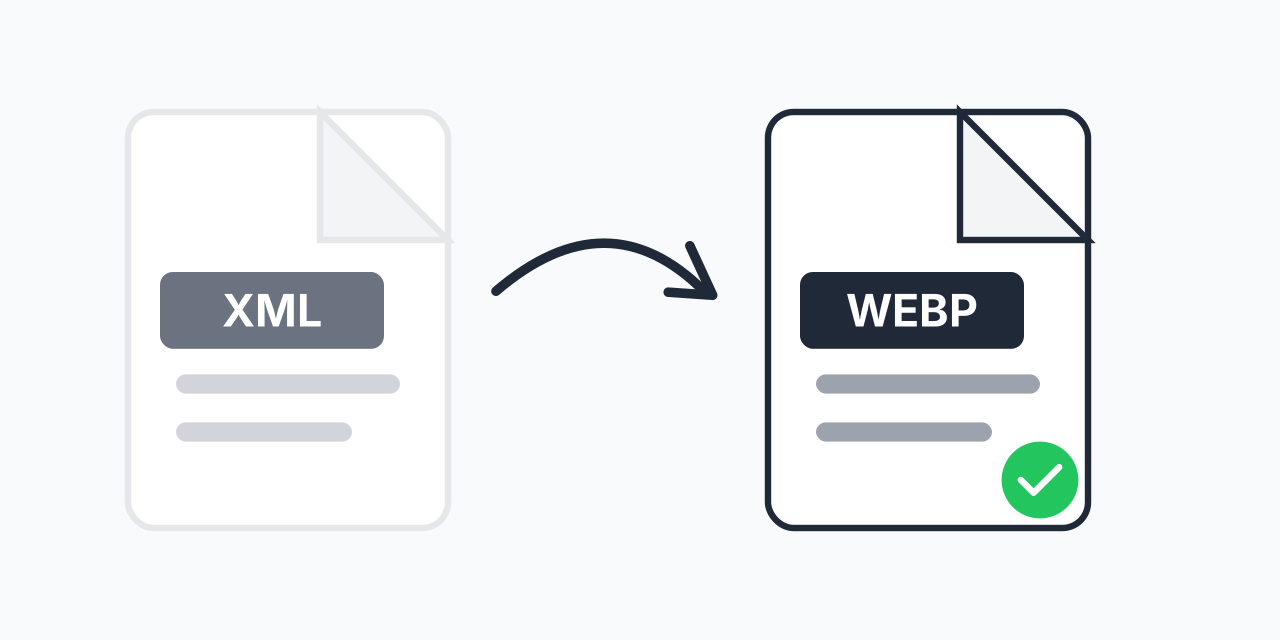
XML files contain structured data that machines read easily, but humans often need a visual representation. Converting XML documents to WebP creates compact image snapshots you can share, embed, or archive without requiring the recipient to have XML-reading software.
WebP offers superior compression compared to other image formats, making it ideal for web publishing. Your converted documents load faster and consume less bandwidth while maintaining readable quality.
How to Convert XML to WebP
- Upload your XML file - Drag and drop or click to select your XML document
- Confirm WebP output - WebP is selected for optimal web compatibility and file size
- Download your image - Get your WebP file ready for use anywhere on the web
The entire process takes seconds. No account required, no software to install.
XML vs WebP: Format Differences
XML (Extensible Markup Language) is a text-based format designed for storing and transporting structured data. It is human-readable but requires specific software or coding knowledge to interpret properly.
WebP is Google's modern image format introduced in 2010. It supports both lossy and lossless compression, typically producing files 25-34% smaller than comparable JPG or PNG images. In our testing, WebP files loaded noticeably faster on web pages compared to traditional formats.
| Feature | XML | WebP |
|---|---|---|
| Type | Data markup | Image format |
| Readability | Machine + Human (technical) | Visual |
| Web Support | Requires parsing | Native browser display |
| File Size | Varies with data | Highly optimized |
| Sharing | Needs compatible software | Universal viewing |
Common Use Cases
Documentation and Reports
When you need to include XML data in a presentation or report, converting to WebP creates a clean visual snapshot. Recipients see the content without needing technical tools.
Web Publishing
Embedding XML data directly in web pages requires JavaScript parsing. A WebP image displays instantly in any browser with smaller file sizes than XML to PNG conversion.
Archiving Data Views
Create visual records of XML configuration files or data exports. WebP images serve as lightweight references when you need to review what the data looked like at a specific point.
Sharing with Non-Technical Users
Not everyone knows how to open XML files. Converting to WebP means anyone can view the content in their web browser or image viewer.
When to Choose a Different Format
WebP works best for web publishing and modern workflows. However, consider these alternatives:
- XML to JPG - Maximum compatibility with older systems and image editors
- XML to PNG - When you need lossless quality or transparency support
- XML to PDF - For printable documents with multiple pages
WebP offers the best balance of quality and file size for online use, but JPG remains the safest choice if you are unsure about your audience's software.
Browser and Device Compatibility
Convert XML to WebP directly in your browser. Our tool works on:
- Windows, Mac, Linux, and Chromebook
- Chrome, Firefox, Safari, Edge, and Opera
- iPhone, iPad, and Android devices
WebP images display natively in all modern browsers. Chrome, Firefox, Edge, and Safari (iOS 14+/macOS Big Sur+) all support WebP without plugins.
Batch Conversion Available
Have multiple XML files to convert? Upload them all at once. Process your entire batch to WebP format in one session, saving time on repetitive conversions.